

Articles
Benefits of CCA Treated Plywood
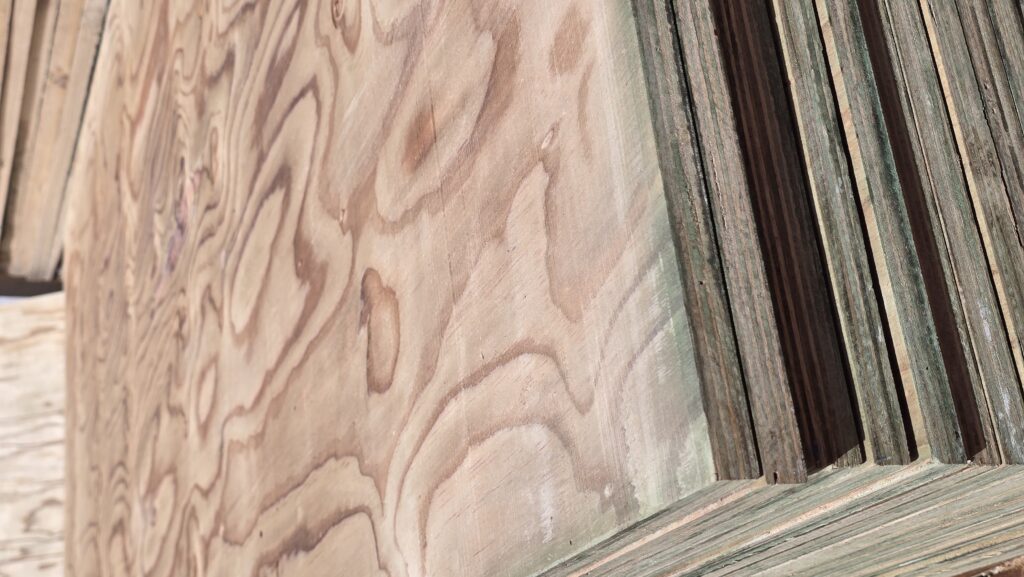
Benefits of CCA Treated Plywood
When choosing plywood for construction, durability matters just as much as strength. CCA treated plywood provides additional protection against termites, wood-boring insects and fungal decay, making it a valuable option for demanding building environments.
At Green Block Shop, we believe customers should understand what makes quality construction materials perform better and last longer.
What Is CCA Treated Plywood?
CCA stands for Chromated Copper Arsenate, a wood preservative that helps protect timber against biological deterioration.
The treatment contains three important components:
- Copper: Helps protect against fungi that cause timber decay.
- Chromium: Helps fix the preservative within the timber.
- Arsenic: Provides protection against termites and other wood-destroying insects.
Manufacturers typically apply CCA through a controlled pressure-treatment process. Consequently, the preservative penetrates the timber rather than simply forming a surface coating.
CCA Treated Plywood Protects Against Termites
Termites can cause significant damage to timber products, particularly in areas where insect activity is high.
However, properly treated plywood provides an effective defence against these pests.
CCA preservatives help prevent termite attack and damage from wood-boring insects. As a result, the plywood offers greater protection than untreated material in applications where these hazards exist.
Improved Resistance to Fungal Decay
Moisture creates favourable conditions for fungi that cause timber to rot.
Fortunately, CCA treated plywood offers additional resistance to fungal decay when manufacturers apply the correct treatment.
This protection is particularly valuable in humid environments and applications where timber may experience occasional moisture exposure.
However, CCA does not make plywood waterproof. Good construction detailing, suitable adhesive bonds and appropriate surface protection remain essential.
Longer Service Life and Better Value
Replacing damaged plywood costs money, time and labour.
Therefore, choosing preservative-treated plywood can provide better long-term value.
By reducing the risk of termite attack and fungal deterioration, CCA treatment can extend the useful life of plywood in suitable applications.
Furthermore, longer-lasting materials can reduce replacement costs and unnecessary material waste.
Ideal for Appropriate Construction Applications
CCA treated plywood can provide advantages in several construction applications, including:
- Timber-frame building components
- Wall and roof sheathing
- Selected exterior building components
- Construction projects exposed to insect activity
- Applications requiring additional protection against fungal decay
However, the correct application depends on the plywood’s structural grade, bonding classification, treatment penetration and specified hazard class.
In South Africa, the relevant hazard classifications include H2 for protected interior applications and H3 for suitable exterior above-ground applications.
Consequently, contractors should always select plywood according to its certified specification rather than relying on the presence of CCA treatment alone.
CCA Treatment and PF Glue Work Differently
Many buyers confuse preservative treatment with adhesive performance.
However, they serve different purposes.
CCA treatment protects the timber against termites, wood-boring insects and fungal decay.
PF glue, or Phenol Formaldehyde adhesive, creates durable, moisture-resistant bonds between the plywood veneers.
Therefore, plywood manufactured with suitable PF glue and correctly treated with CCA can benefit from both strong adhesive bonding and preservative protection.
This combination can provide excellent durability when the manufacturer specifies and processes the product correctly.
Why Quality Treatment Matters
Not all treated plywood offers the same level of protection.
Effective treatment depends on the correct preservative retention, penetration and hazard classification.
Furthermore, CCA contains arsenic and chromium compounds, so users must handle treated plywood responsibly.
Contractors should control dust when cutting or sanding, wear suitable protective equipment and dispose of offcuts through approved waste facilities.
Never burn CCA-treated plywood or use it for food-contact surfaces.
Why Choose Green Block Shop?
At Green Block Shop, our focus is on supplying construction products that offer quality, reliability and long-term value.
We understand the importance of choosing the correct plywood for demanding South African building conditions.
Therefore, we encourage builders and contractors to consider not only the plywood thickness and price, but also its adhesive quality, preservative treatment and intended application.
Conclusion
CCA treated plywood offers important advantages for construction projects that require additional protection against termites, wood-boring insects and fungal decay.
Furthermore, correct preservative treatment can improve durability, extend service life and reduce unnecessary replacement costs.
Combined with appropriate plywood manufacturing standards, quality adhesive bonding and correct installation, CCA treatment can make a meaningful difference to long-term performance.
Green Block Shop: Quality materials for better building.
Explore our range of construction products at www.greenblockshop.co.za.