

Articles
CCA Treated Plywood: Is It Safe to Use?
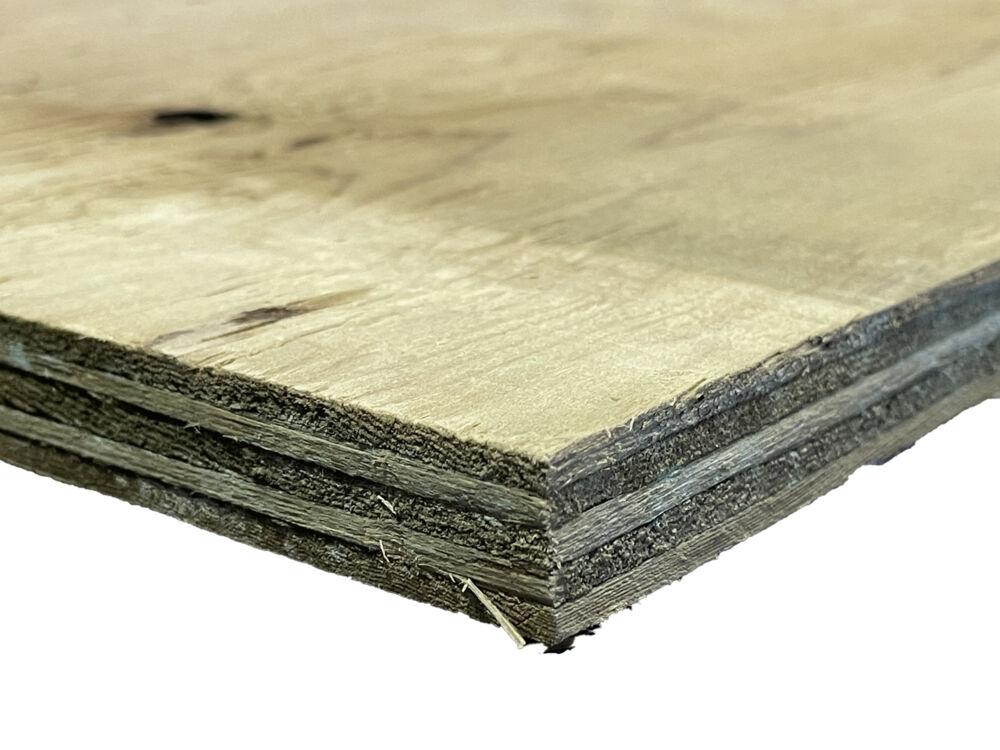
Is CCA Treatment Safe on Plywood?
Is CCA treated plywood safe? This is an important question for builders, contractors and homeowners who want durable timber products without compromising health and safety.
The answer is that CCA treated plywood can be used safely in suitable, approved construction applications when it has been correctly treated, properly fixed and handled responsibly. However, CCA contains potentially hazardous chemicals, so it is important to understand where and how the material should be used.
At Green Block Shop, we believe customers deserve accurate information about the materials they purchase.
What Is CCA Treatment?
CCA stands for Chromated Copper Arsenate, a preservative used to protect timber against termites, wood-boring insects and fungal decay.
It contains three active components:
- Copper: Protects against fungi that cause timber decay.
- Chromium: Helps bind the preservative chemicals within the wood.
- Arsenic: Provides protection against termites and other wood-destroying insects.
During industrial pressure treatment, manufacturers introduce the preservative into the timber. The chemicals subsequently undergo fixation reactions that help retain them within the wood.
Consequently, properly treated timber can provide long-term protection against biological deterioration.
Is CCA Treated Plywood Safe for Construction?
Yes, CCA treated plywood can be appropriate for construction applications where its use is permitted and the product meets the relevant specifications.
In South Africa, preservative-treated timber is widely used in construction, including structural framing and other applications requiring protection against insects and decay.
The South African Wood Preservers Association (SAWPA) explains that the risks associated with properly fixed CCA treatment are substantially lower than those associated with the concentrated preservative chemicals.
However, CCA treatment does not make plywood completely harmless.
Small amounts of preservative constituents can migrate from treated timber, particularly under certain exposure conditions.
Therefore, responsible product selection, installation and handling remain essential.
Why Does CCA Contain Arsenic?
The word arsenic understandably raises concerns.
Arsenic is a toxic substance, and certain forms are associated with serious health risks following sufficient exposure.
However, the potential risk depends on the chemical form, amount of exposure and how the material is used.
In CCA treatment, arsenic provides effective protection against wood-destroying insects.
Furthermore, the preservative fixation process helps retain the chemicals within the timber.
Nevertheless, the presence of arsenic means that CCA treated plywood should never be treated like ordinary untreated wood in every application.
Where Should CCA Treated Plywood Be Used?
CCA treated plywood may be suitable for selected construction applications where preservative protection is required.
Examples include appropriately specified structural components, protected timber framing and certain exterior building applications.
However, suitability depends on the plywood’s treatment certification, structural properties, adhesive classification and intended exposure conditions.
South African timber preservation standards use hazard classes to identify different service environments.
For example:
- H2: Protected interior conditions where timber faces insect hazards but remains protected from wetting.
- H3: Exterior above-ground conditions involving periodic moisture exposure.
Importantly, these classifications describe exposure conditions. They do not automatically authorise every CCA-treated product for every application.
Where Should CCA Treated Plywood Be Avoided?
CCA treated plywood should not be used for applications involving direct food contact or situations where preservative chemicals could contaminate food or drinking water.
Examples include:
- Kitchen cutting boards and food preparation surfaces
- Food storage containers
- Drinking-water storage containers
- Children’s toys that may be chewed
- Animal feed containers
- Wood chips or sawdust used as garden mulch
- Firewood and cooking fires
Furthermore, some countries restrict CCA-treated timber in residential decks, playground equipment and other frequently touched surfaces.
Therefore, contractors should check the regulations and product specifications applicable to their projects.
Is CCA Treated Plywood Safe to Cut and Drill?
CCA treated plywood can be cut, drilled and machined when appropriate precautions are followed.
However, cutting and sanding create dust that may contain preservative chemicals.
Therefore, workers should:
- Wear suitable respiratory protection when cutting or sanding.
- Use safety glasses and protective gloves.
- Work outdoors or in well-ventilated areas with dust control.
- Collect sawdust and offcuts.
- Wash hands after handling treated timber.
- Keep treated timber dust away from food and drinking water.
These simple precautions help reduce unnecessary exposure.
Never Burn CCA Treated Plywood
One of the most important safety rules concerns disposal.
Never burn CCA treated plywood.
Burning can release hazardous chemicals into the smoke and concentrate toxic residues in the ash.
Furthermore, treated plywood offcuts and sawdust should never be used as mulch, compost or animal bedding.
In South Africa, SAWPA recommends disposing of CCA-treated timber waste at an appropriate registered disposal facility.
Does CCA Treatment Make Plywood Waterproof?
No. CCA treatment primarily protects timber against biological deterioration.
It does not prevent the wood from absorbing moisture.
For this reason, plywood exposed to damp conditions also requires the correct adhesive system, panel specification and construction detailing.
For example, Phenol Formaldehyde (PF) glue provides durable, moisture-resistant bonding between plywood veneers.
CCA treatment and PF glue therefore perform different functions.
When manufacturers use both correctly, they can produce plywood with improved resistance to biological deterioration and durable adhesive bonding.
Why Green Block Shop Believes in Responsible Material Selection
At Green Block Shop, we believe quality construction starts with understanding the products being used.
CCA treatment can provide valuable protection against termites and fungal decay, particularly in environments where untreated timber would be vulnerable.
However, good construction requires more than selecting a preservative.
Builders must also consider product certification, correct installation, moisture management and responsible handling.
Consequently, we encourage customers to select plywood according to its intended application and verified specifications.
Conclusion: Is CCA Treated Plywood Safe?
CCA treated plywood can be safe for suitable construction applications when it is correctly manufactured, properly specified and responsibly handled.
However, it contains potentially hazardous chemicals and should not be used for food-contact surfaces, children’s chewable toys or other inappropriate applications.
Furthermore, workers must take precautions when cutting, sanding and disposing of treated plywood.
At Green Block Shop, our message is simple:
Use the right plywood, for the right application, in the right way.
Visit www.greenblockshop.co.za to explore our construction materials and plywood products.